There’s a common myth that Easter food traditions are pretty much the same everywhere. Sure, you’ll see chocolate bunnies and colorful eggs at American Easter celebrations, but the reality is way more interesting. Different cultures each celebrate Easter with their unique culinary customs, blending local flavors and beliefs that reflect their histories and values.
In this article, we’ll dive into various Easter traditions food from around the world, examining how countries incorporate their customs into festive meals. We’ll look at traditional dishes, their meanings, and some fun tidbits for good measure. By the end, you might want to switch up your own Easter menu or at least appreciate the delightful variety across the globe.
Traditional Easter Foods by Country
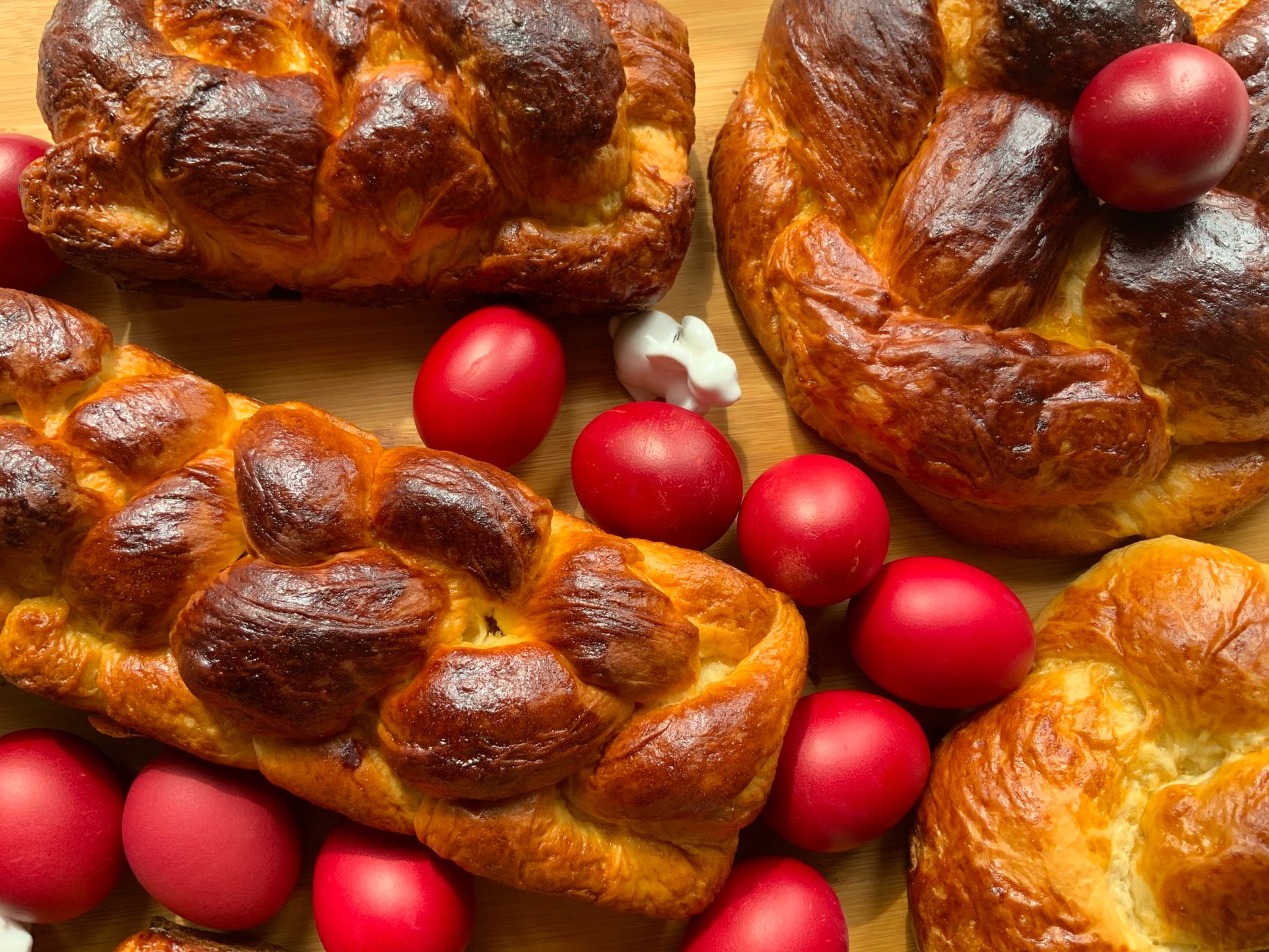
Easter foods vary widely by country, each boasting signature dishes. In the UK, hot cross buns are a classic. These sweet, spiced buns marked with a cross are usually eaten on Good Friday but are popular throughout the entire Easter season. Italy’s take includes Easter bread, known as “Pane di Pasqua.” This festive loaf is often shaped in intricate designs and might even have colored eggs baked on top, symbolizing rebirth.
In Eastern Europe, you’ll likely find Pashka gracing many tables. This creamy dessert shaped like a pyramid is made from cottage cheese and often mixed with dried fruits and nuts. Its rich texture and sweetness make it a fitting end to any Easter feast. In Greece, lamb takes the spotlight, traditionally roasted to perfection and served with all the trimmings. It symbolizes sacrifice and renewal, aligning nicely with the Easter themes.
Symbolism Behind Easter Dishes
Every dish carries deeper meaning beyond just being tasty. Hot cross buns, for example, signal the crucifixion of Jesus through their crosses, while their round shape represents life’s cycles. Easter bread often features eggs nestled within a braided crust, pointing toward new life. Pashka, with its pyramid shape, symbolizes the Holy Trinity, adding to its spiritual significance.
Lamb, often the centerpiece, has strong biblical ties as it represents Jesus as the “Lamb of God.” Sharing such a meal fosters community and reinforces the symbolism of sacrifice. Each of these dishes provides a unique insight into how cultures express their values through food, making your Easter celebration about more than just eating.
Fun Facts About Easter Food
Did you know that around 3 million Easter eggs are sold in the U.S. every year? It’s a staggering number! Taking into account, about 83% of Americans celebrate Easter, and interestingly, around 15% of their spending goes toward food. This just shows how central food traditions are to the festivities.
Besides these numbers, think of the creative ways people express art through food. Lamb cakes shaped like cute little lambs are popular in many households. They’re not just delicious; they also look great, making them a fun centerpiece for your Easter brunch.
Popular Recipes to Try at Home
Want to bring a taste of global Easter traditions food into your own kitchen? Here are a few recipes for you to try:
1. Hot Cross Buns: Mix spices like cinnamon with candied fruit, and make these buns ahead of time to serve warm with butter.
2. Easter Bread: Play around with different shapes and designs. Don’t forget to add colorful eggs for decoration.
3. Pashka: Customize this creamy dessert with your favorite dried fruits and nuts, it’s a guaranteed crowd-pleaser.
4. Lamb Cake: Decorate a simple sponge cake with frosting to make it resemble a lamb. I’m telling you, it’s surprisingly easy and super cute.
These recipes not only taste fantastic but also connect you to the broader Easter celebrations happening worldwide.
Unique Easter Traditions to Explore
Beyond the food, many unique traditions accompany Easter celebrations around the globe. For example, in Australia, kids search for the Easter Bilby instead of the Easter Bunny. This change helps raise awareness about endangered species. In Poland, the breakfast table is often filled with a feast including eggs, bread, and meats, symbolizing the end of Lent.
Many cultures celebrate Easter Monday with water fights, especially in Poland and Hungary. Known as “migus-Dyngus,” participants throw water at each other, symbolizing cleansing and the arrival of spring. These unique customs vibrantly express the joy and spirit of the season.
FAQs
What are common Easter foods?
Common Easter foods include hot cross buns, Easter bread, lamb, and chocolate eggs. Each culture features special dishes reflecting local traditions and symbolism.
How is Easter celebrated in different cultures?
Easter is celebrated with various customs, like water fights in Poland, lamb feasts in Greece, and egg hunts in the U.S., showcasing each culture’s unique practices and culinary delights.
What are some traditional Easter recipes?
Traditional Easter recipes consist of hot cross buns, Easter bread, Pashka, and lamb cakes. Each dish varies by region and carries its own cultural significance.