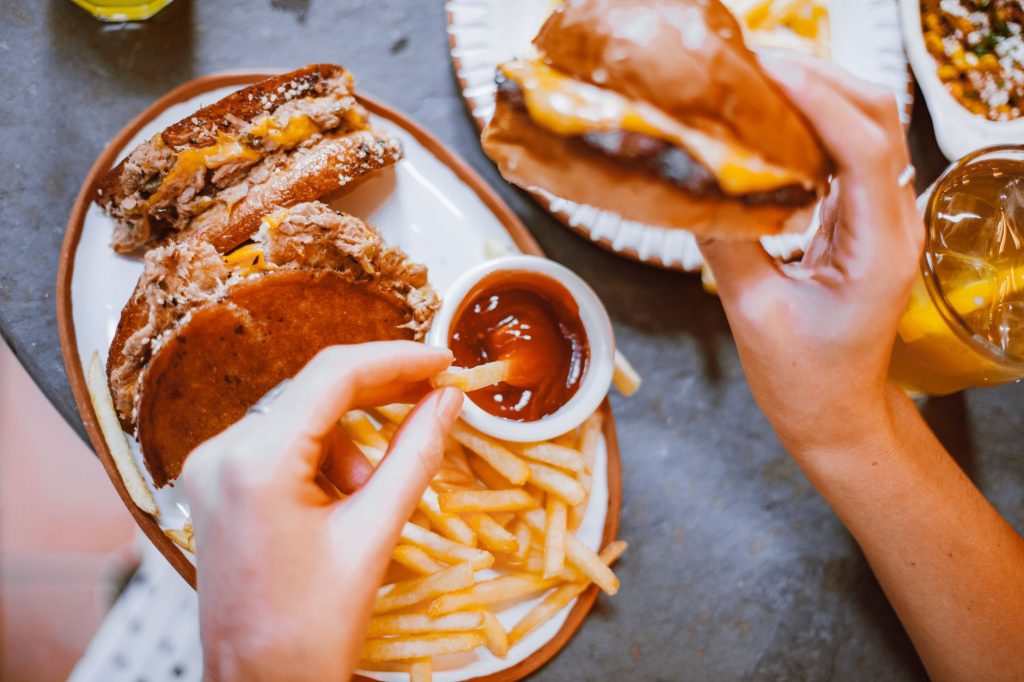
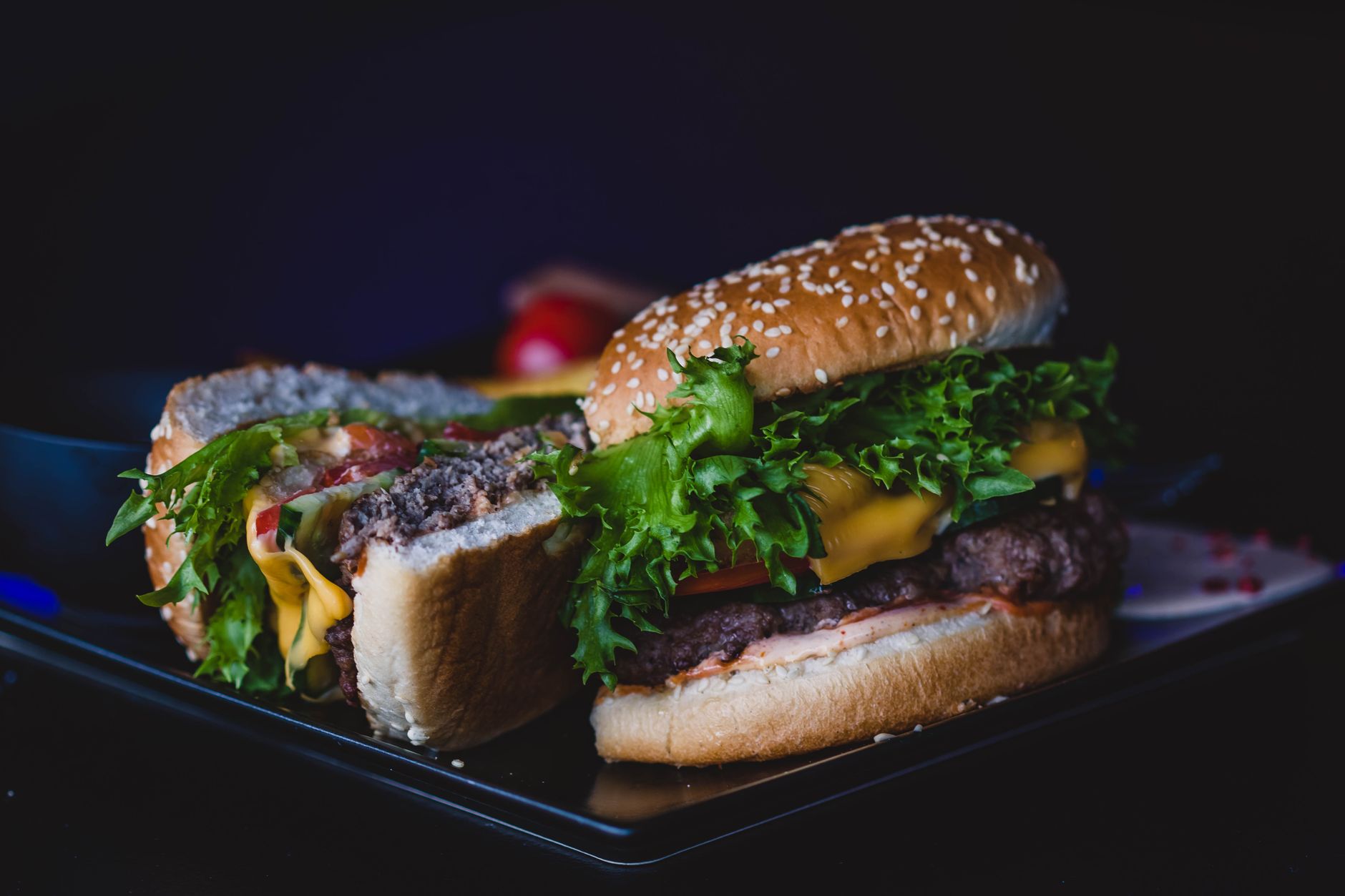
When folks outside the U.S. think of American cooking, they usually picture burgers, fries, and something cheesy on top. But that view skips over about 300 years of culinary history influenced by immigrants, geography, and necessity.
The U.S. has 50 states, and honestly, the food traditions across them are surprisingly diverse. Louisiana’s cuisine doesn’t taste anything like Minnesota’s, and Hawaii’s food feels totally different from Texas’ offerings. If you dive into the $1.8 trillion U.S. food market, you realize it’s all about that regional complexity, not just a single identity.
Last summer, I decided to cook one dish from five different regional styles in just one week. What I learned is that american food recipes aren’t a distinct genre; they’re specific answers to local food problems.
Five Key Regional Cuisines
Louisiana Creole
This kitchen might just be the most layered in the U.S. Louisiana Creole cuisine dates back to the 1700s, blending French and Spanish colonial influences with West African techniques and fresh Gulf ingredients. Gumbo is the classic dish, but the real secret’s in the roux, cooked low and slow for 30 to 45 minutes until it resembles dark chocolate.
Texas Barbecue
Smoked brisket in Texas is a law unto itself—cooked at about 225°F for 12 to 18 hours over post oak wood. The bark, that delicious crust, forms with just salt and pepper. I remember when I first skipped the sauce. Felt strange, but honestly, it was so much better.
New England Seafood
Did you know New England clam chowder is one of the oldest American recipes? It first popped up in the Boston News-Letter way back in 1751. This rich chowder is creamy, not tomato-based (that’s Manhattan clam chowder, and it’s a whole different discussion). With fresh clams, potatoes, and salt pork, it’s simple but only works if the clams are top-notch.
Midwest Comfort Food
In the Midwest, we’ve got the “hot dish,” a casserole tradition rooted in pantry staples. Campbell’s cream of mushroom soup, launched in 1934, became the glue holding together a whole region’s cuisine. Tater tot hotdish is a classic: ground beef, frozen tots, one can of soup—baked until everything melds into pure comfort on a chilly February night in Wisconsin.
Hawaiian Plate Lunch
Hawaii’s plate lunch comes from the plantation era, starting in the 1850s. Workers from various backgrounds—Japanese, Filipino, Chinese, Korean, and Native Hawaiian—shared meals and mixed their cuisines. A classic plate lunch features two scoops of rice, macaroni salad, and a protein, like kalua pork or teriyaki chicken. It might look odd at first, but it’s a tasty combo once you dig in.
Classic Recipes by Region
When I planned out what to cook that week, I aimed for dishes that are truly representative rather than touristy. Here’s my list:
- Louisiana: chicken and andouille gumbo with file powder
- Texas: smoked brisket flat with salt-pepper bark, sliced thick
- New England: creamy clam chowder with oyster crackers
- Midwest: tater tot hotdish with frozen corn and cheddar
- Hawaii: shoyu chicken plate with mac salad and two scoops rice
The gumbo was a time investment, mostly because of the roux. The brisket test my patience. Surprisingly, the hotdish was ready in about 40 minutes and was the first dish everyone devoured. There’s a lesson there about not underestimating simple food.
These American food recipes all emerge from constraints: what ingredients are available, the local climate, what workers needed to eat, and what immigrants adapted to suit their lives. None came from a test kitchen.
Cooking at Home
A common mistake with American food recipes is trying to cut corners in the techniques that define the dish. You can’t rush a roux, fake a smoke ring, or whip up good chowder with cheap canned clams. Each regional cuisine has one or two crucial steps, typically the ones that take the most time.
Start with just one region. If you’re diving into Southern cooking, nail a gumbo before you tackle biscuits and red-eye gravy. For Midwest food, the hotdish is a forgiving choice since it’s hard to mess up. Remember, equipment matters less than your patience—well, mostly. A smoker does help a lot with brisket.
American food recipes really shine when you treat them as regional cooking instead of some generic “American” style. Focus on one area, understand the context behind the food, and you’ll cook something that truly tastes better.
FAQs
What are the most popular American food recipes?
Barbecue brisket, clam chowder, gumbo, and various casseroles top the lists. Popularity can shift a lot by state and reflects local history more than a nationwide trend.
What makes American cuisine unique compared to other countries?
American cuisine isn’t a single style; it’s a patchwork of regional kitchens shaped by immigration, geography, and local ingredients across all 50 states.
What is a traditional American dinner?
A traditional dinner varies by region. A Texas dinner looks nothing like a New England meal, but roast chicken, mashed potatoes, and a vegetable is a close national default.