
A neighbor of mine spent three weeks trying to figure out where to take her family after a job loss last spring. She didn’t know the Atlanta Community Food Bank: How to Get Help and Give Back resources existed until a coworker texted her a single link. That’s the gap this piece is meant to close.
The food bank has been running since 1979, and it’s grown into something much bigger than a warehouse full of canned goods. It moves millions of pounds of food annually through a network reaching neighborhoods most people have never driven through. But a lot of Atlantans, both people who need help and people who want to give it, still don’t know how any of it actually works. So here’s a plain walkthrough, starting with what the organization is, then getting into the practical stuff on both sides.
Overview of Atlanta Community Food Bank
The Atlanta Community Food Bank serves roughly 60,000 individuals every month across a 29-county area covering metro Atlanta and stretching well into rural north Georgia. About 1 in 5 children in the region face hunger at some point during the year. That’s the number that usually stops people cold when they hear it out loud.
The organization works through 700-plus partner agencies rather than running every distribution point itself. Those partners include churches, nonprofits, school pantries, and community centers. Think of the food bank as a logistics hub: it sources food, stores it, and routes it to the places closest to the people who need it, which lets a relatively lean operation move a serious amount of product. One thing I didn’t expect when I first looked into this is that the food bank is also involved in advocacy and nutrition education, not just distribution.
Services for Individuals in Need
If you need food assistance, start with the zip code search on the food bank’s website. It pulls up nearby pantries and their hours. Most don’t require proof of income or residency, though a few partner sites run their own intake process, so calling ahead the first time saves you a wasted trip.
There are a few different program types worth knowing about:
- Traditional pantries where you pick up a box or bag of food
- Mobile distributions that come to specific neighborhoods on set days
- School-based programs that send food home with kids on Fridays
- Senior-focused sites with distributions tailored to older adults
My neighbor ended up at a church-based pantry about two miles from her apartment. She said the whole process took maybe 20 minutes, including a short form. No proof of income, no waiting list. She went back twice more before her situation stabilized, and she told me she wished she’d known about it sooner.
Ways to Volunteer and Contribute
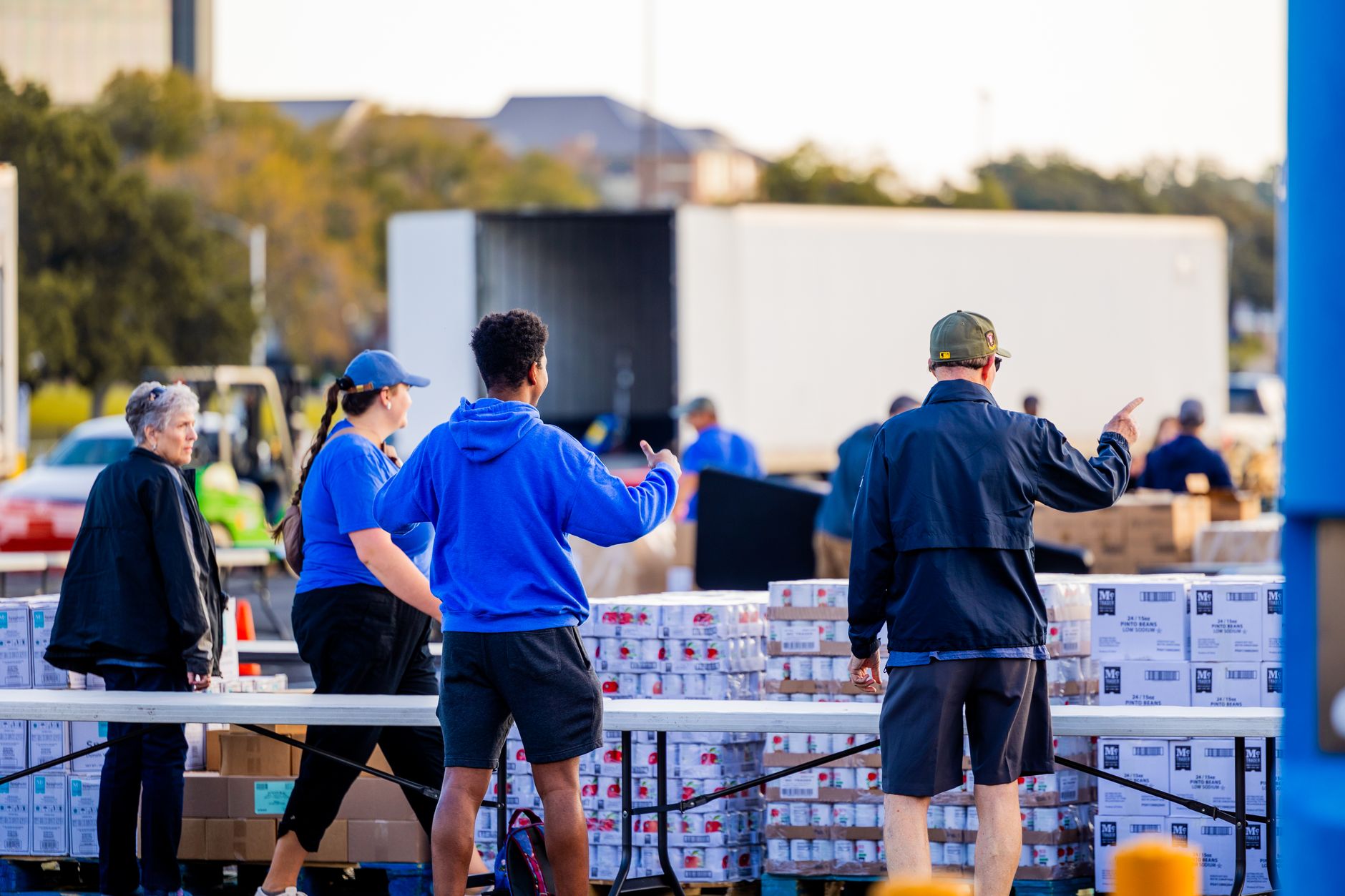
Volunteering at the Atlanta Community Food Bank is genuinely accessible, which isn’t always true at larger nonprofits. Shifts run at the main warehouse in Doraville and typically last about three hours. You sort and pack food; it’s physical, they move fast, and most people I’ve talked to say it’s one of the more satisfying volunteer experiences they’ve had, partly because you can see exactly what you’re doing.
Groups can book slots too, which makes it popular for corporate service days. Individual signups are on the website, but slots fill a few weeks out during busy stretches. Summer is actually harder than most people assume, because school meal programs pause and the need spikes without much public attention.
On the donation side, $1 provides four meals through the food bank’s purchasing and distribution system. That’s from the organization’s own reporting. A $25 gift covers 100 meals. Monthly giving tends to be more useful than a single lump sum because it helps with planning (the food bank has said as much publicly). Food drives are another option, especially for schools or offices; the food bank has a guide covering which items matter most, usually shelf-stable proteins and breakfast foods.
Community Events and Fundraisers
The food bank runs events throughout the year, from large fundraising galas to smaller neighborhood food drives. The signature Empty Bowls dinner typically happens in the fall and sells out reasonably fast, with tickets usually running $30 to $50 depending on the format that year. I’d book early if you’re interested.
There’s also an annual food drive push in November involving local media and corporate sponsors. Participating is as simple as dropping nonperishables at a collection site, and those pop up at grocery stores and office buildings across the metro area. In my experience, Publix locations are a reliable bet. If you want to stay in the loop, the email newsletter is more dependable than social media for event details, and it’s only a couple of messages a month.
Supporting Atlanta Starts with Knowing What’s There
The Atlanta Community Food Bank: How to Get Help and Give Back is, at its core, a question of awareness. The infrastructure is already in place: 60,000 people served monthly, 700-plus partner agencies, over four decades of operation. The main thing standing between most people and either getting help or offering it is simply not knowing the entry point, which is a fixable problem.
If you need food right now, use the zip code finder and call the nearest site before you go. If you want to volunteer, book a shift at least two weeks out. And if someone you know is struggling, send them the link. That’s exactly what changed things for my neighbor, and it took about 30 seconds.
FAQs
How can I apply for food assistance?
Use the zip code search on the food bank’s website to find the nearest partner pantry, then visit or call ahead. Most locations don’t require income documentation.
What volunteer opportunities are available?
Warehouse sorting shifts in Doraville are the main option, running about three hours each. Group and individual slots are bookable online, though they fill quickly near holidays.
How much of a donation helps feed families?
Every $1 provides four meals. A $25 gift covers 100 meals through the food bank’s sourcing and distribution network.