The Atlanta Food & Wine Festival 2026: A Visitor’s Guide you actually need isn’t about which chefs are headlining. It’s about not blowing $300 on tickets and then spending two hours circling Midtown looking for parking while the short-rib tasting runs out.
This festival has been running since 2011 and it’s earned its reputation. A few hundred chefs, pitmasters, and beverage producers converge on Midtown Atlanta for three days in late May or early June. The 2025 edition had multiple James Beard Award nominees on the schedule, and that level of talent has become a reliable baseline. High demand means crowds, sold-out sessions, and real logistical friction if you show up unprepared.
What follows is what I’d tell a friend flying in from out of town. Practical, in order.
What the Festival Actually Is
The Atlanta Food & Wine Festival isn’t one venue. It’s a multi-neighborhood event anchored in Midtown, with programming spread across several locations. The Loews Atlanta Hotel on Peachtree Road has served as the longtime nerve center, handling registration, keynote-style demos, and a lot of the ticketed tasting sessions. Ponce City Market covers more casual, market-style programming. The Biltmore ballrooms have hosted larger dinner events and some of the higher-end evening experiences.
Over three days you’ll find more than 100 chefs and beverage producers across cooking demos, spirit tastings, and seminars on Southern foodways. The programming skews Southern but pulls in national names. Expect brisket-and-bourbon content alongside more technical wine seminars, and honestly, the beverage programming is underrated and often less crowded than the food stations.
Ticket Prices and Session Types
Grand Tasting Village tickets have historically run $125 to $175 per session, with two sessions per day, a midday and an afternoon block. That per-session pricing adds up fast across a full weekend. Budget $350 to $500 per person for full Grand Tasting access, not counting individual ticketed dinners, which can run $150 to $250 a seat on their own.
Early-bird windows typically open four to five months before the festival. If the 2026 dates land in late May, you’re looking at a January ticket drop. Early-bird prices save you roughly $20 to $30 per session compared to the door price, and some sessions sell out before the general public window even opens. I’d set a calendar reminder for early January and check the official site weekly through February.
- Grand Tasting Village: $125–$175 per session, general access to all tasting stations
- Hands-on classes: $75–$120, limited seats, usually sell first
- Seated dinners: $150–$250, often paired with a named chef or winery
- Seminars: $35–$60, underrated value, smaller rooms
One caveat: pricing can shift year to year and the 2026 structure hasn’t been confirmed yet. Use these as planning estimates, not guarantees.
Getting Around Midtown
Driving is not your friend here. Midtown Atlanta during festival weekend sees real congestion, and parking near the Loews or Ponce City Market is expensive and scarce. MARTA is the honest answer. The Arts Center station puts you a short walk from the Loews, and North Avenue is workable for Ponce City Market. A day pass costs a few dollars and removes all the parking math.
Rideshare works fine, but expect surge pricing on Friday and Saturday evenings when sessions let out. If you’re staying nearby, walking is genuinely pleasant in late May. The stretch between the Loews, Colony Square, and Piedmont Park is comfortable on foot, and you’ll want to walk off some of what you’re eating anyway.
One thing people consistently underestimate is venue-to-venue time. A 2 p.m. seminar at the Loews followed by a 3:30 p.m. tasting at Ponce City Market is tight. Build in 20-minute buffers between anything on opposite ends of the footprint.
Making the Most of Three Days
Friday is the least crowded day and the best time to hit any session you’re genuinely excited about. Saturday draws the biggest crowds and the longest lines at popular stations. Sunday tends to feel looser, which makes it a good day for seminars over Grand Tasting sessions.
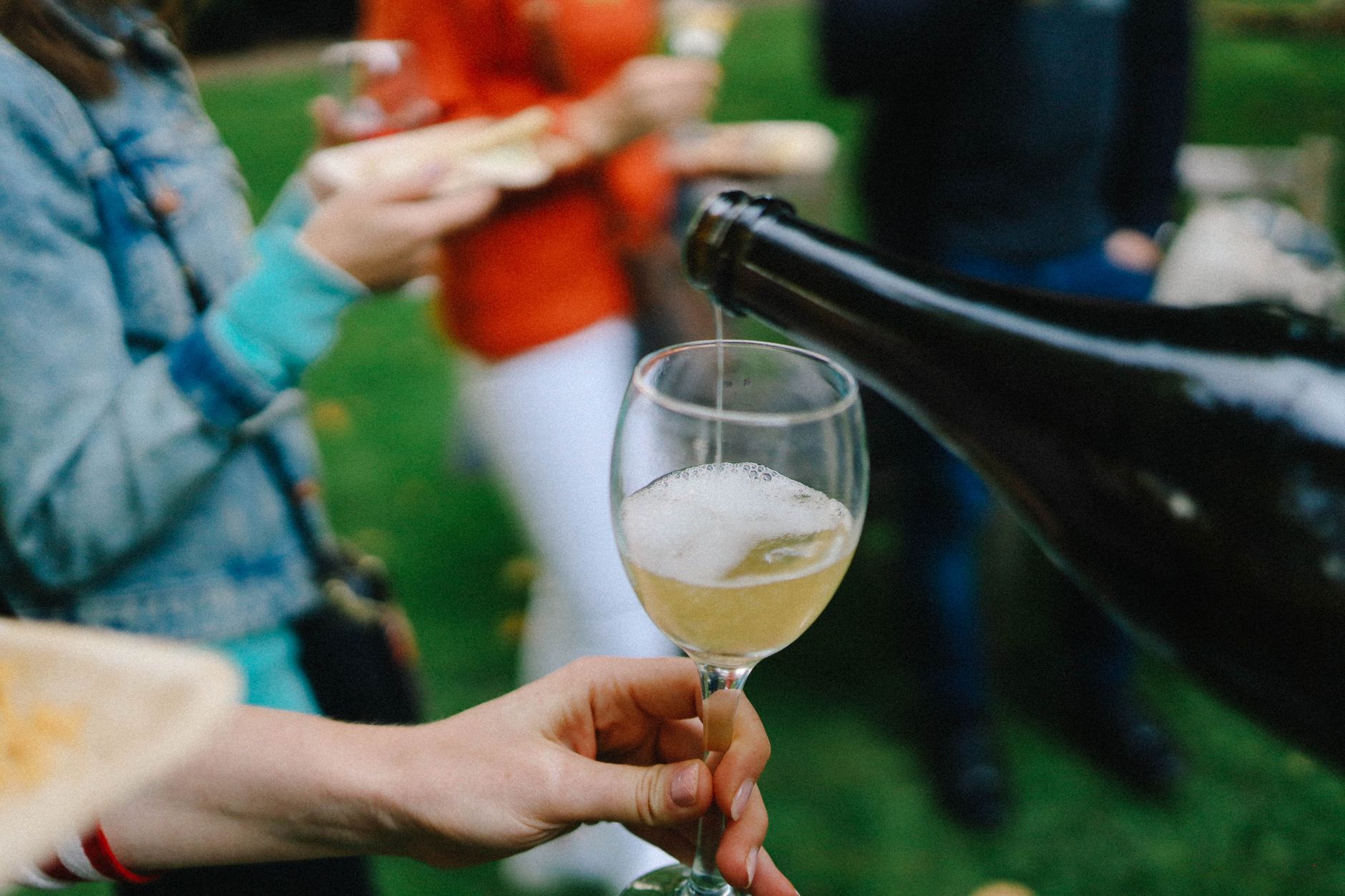
Eat something small before each Grand Tasting session. Two-ounce pours and two-bite tastings add up, but not fast enough to replace actual food if you arrive hungry. You’ll make better decisions about which stations to prioritize when you’re not starving at the gate.
Late May in Atlanta is warm and humid. Between the outdoor tasting stations and the wine pours, dehydration sneaks up on you by mid-afternoon, so carry a water bottle. For the Atlanta Food & Wine Festival 2026: A Visitor’s Guide to actually serve you, the most useful piece of advice is this: pick two or three sessions you’d be genuinely upset to miss, book those the moment tickets open, and treat everything else as a bonus. I’ve watched people overschedule three full days of food and drink events and end up miserable by Sunday morning. It’s a real mistake.
FAQs
How much do Atlanta Food & Wine Festival tickets cost?
Grand Tasting Village sessions typically run $125 to $175 each, with seated dinners reaching $150 to $250. Early-bird windows open roughly four to five months before the event.
Is the Atlanta Food & Wine Festival family-friendly?
Most programming centers on alcohol tastings and is designed for adults 21 and older. It’s not well-suited for young children, though some cooking demos are more family-appropriate.
Where do most visitors stay for the Atlanta Food & Wine Festival?
The Loews Atlanta Hotel is the anchor venue and the most convenient option. Midtown hotels within walking distance fill up fast, so book two to three months ahead.